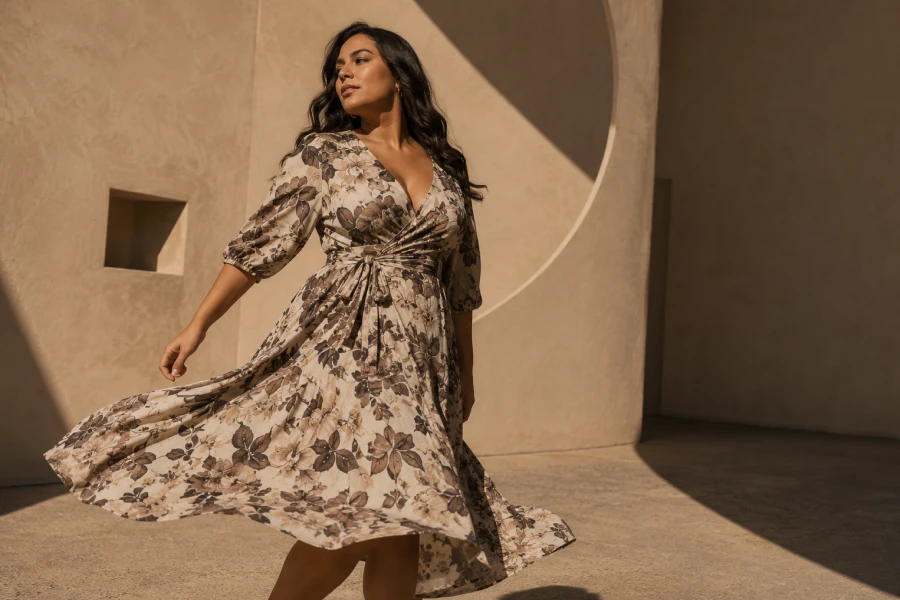
A patterned piece can change the mood of an entire outfit. Prints that flatter your body shape create interest while helping each part feel connected. The right motif does not need to be dramatic. It only needs to feel in proportion with your frame and your style. That may mean a precise stripe, an airy floral, or an understated geometric. Visual balance comes from the relationship between pattern, cut, and styling. Once that relationship feels right, your outfit stops looking assembled. It begins to look expressive. You gain more options from familiar clothes. Most importantly, you stop treating prints like a risky choice.
Ease begins when you choose patterns for the life you actually live. A busy workday may call for a controlled check or subtle stripe. A relaxed weekend can welcome a brighter motif or larger repeat. The context shapes how much visual energy feels useful. Your favorite colors should remain part of the decision. A print works harder when it connects to shades you already own. That makes styling faster and more natural. It also reduces the pressure to make every piece stand alone. The strongest wardrobe choices have a sense of continuity. They allow personality without creating visual confusion.
It helps to separate body shape from clothing size. Shape describes the lines you see when clothing sits on the body. Size simply helps you find an appropriate fit. Confusing the two can make shopping feel needlessly restrictive. Instead, use your own eye to identify what feels balanced. A thoughtful personal style wardrobe gives you room to notice patterns without judgment. Test a motif with the shoes and layers you already love. Observe how it looks from different distances. Keep the choices that make you feel recognizable. Let the rest remain information rather than failure.
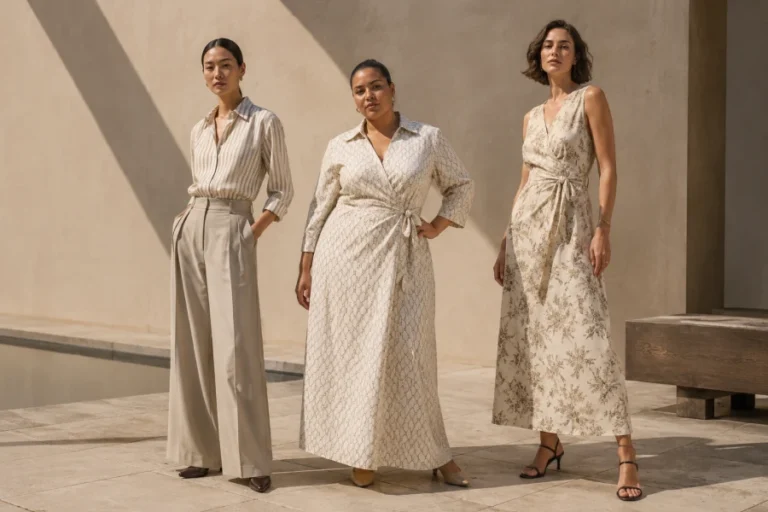
Proportion is often the quiet reason one outfit feels stronger than another. A bold top can pair beautifully with a simpler bottom. A patterned skirt may benefit from a clean neckline above it. These combinations make the eye move with purpose. To keep getting dressed simple, build confident outfit formulas around one visual focal point. The focal point can change from day to day. What matters is giving it enough room to register. Avoid adding competing details just because they are available. Selective styling creates more impact than constant decoration. It also makes favorite pieces easier to repeat.
Patterns become more interesting when clothing starts to move. Pleats can break a print into soft rhythm. A wrap silhouette can change the direction of a motif as you walk. Flowing sleeves may make a small print feel more animated. For balanced outfits, try wearable print combinations that include one steady, solid element. This creates an anchor while the pattern provides movement. Consider fabric weight before making a decision. Heavier materials tend to hold their graphic shape. Lighter fabrics create a more fluid effect. Both can work when the overall outfit feels aligned.
Shopping becomes easier when you stop asking every print to solve everything. One piece can add energy to your existing wardrobe. Another can create a useful contrast against your usual neutrals. Give yourself time to see how a pattern fits into real outfits. Photograph combinations that make you feel particularly good. Those images reveal preferences more clearly than a trend report. You may notice a recurring color, scale, or line direction. Build on that information slowly. A wardrobe gains depth through repetition and refinement. It does not need constant replacement to feel fresh. Good choices become clearer when you give them room to prove themselves.
There is no single pattern rule worth following at every moment. Your taste, setting, and confidence will keep changing. That flexibility is part of what makes fashion useful. Use outfit pattern confidence to treat prints as an invitation rather than a test. Start with a motif that already feels familiar. Add one unexpected styling detail when you want more energy. Over time, your eye will become faster and more certain. You will know when an outfit needs contrast or calm. That knowledge creates freedom. It also makes every patterned piece feel more like your own.

Leave a comment