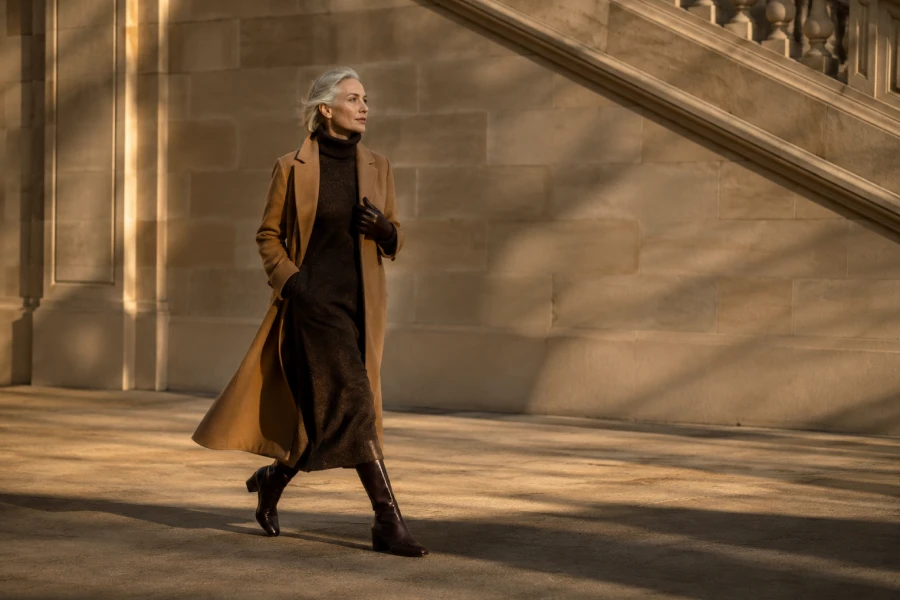
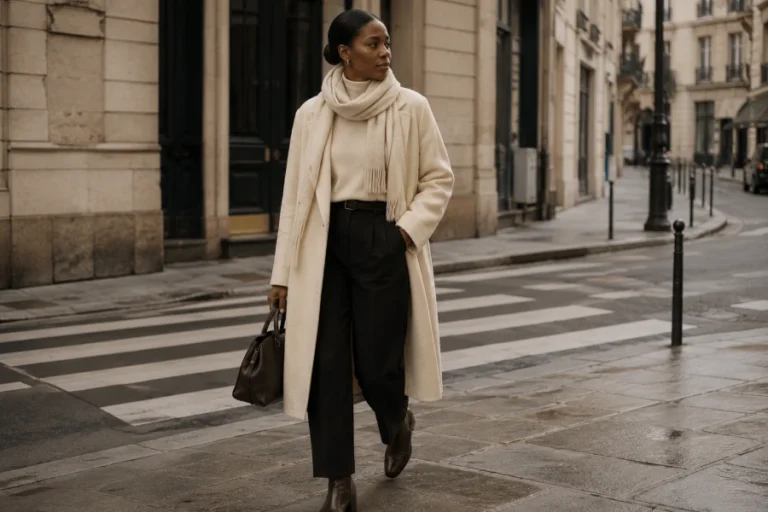
Winter style becomes much easier once you stop treating warmth and polish as opposing goals. Warm and stylish winter outfits begin with proportion, not an endless pile of layers. A long coat can make a simple knit and trouser combination look complete. A fitted base can give a bulky outer layer a clearer shape. A textured scarf can add interest without making the outfit feel busy. These are small changes, but they shift the entire impression. The best cold-weather looks also work in real life. They let you walk comfortably, carry what you need, and adjust to changing temperatures. With a few dependable formulas, winter dressing becomes more creative and much less repetitive.
A useful winter wardrobe does not need to be large. It needs a dependable mix of clothes that can combine in several directions. Start with knitwear, trousers, jeans, boots, a jacket, and one or two coats that already make you feel confident. Then notice the colors and lengths that repeat naturally. This is the foundation for a more thoughtful edit. A set of polished cold-weather outfits can inspire variations without encouraging unnecessary shopping. Add one distinctive detail at a time, such as a textured bag or a deeper color. Reliable pieces create the structure. Small changes keep them from feeling predictable.
Silhouette is what allows practical pieces to look intentional together. A longer coat over a slimmer base creates an elegant vertical line. A shorter jacket can bring energy to relaxed trousers. A belt can define a soft knit dress without reducing comfort. Choose one area to carry volume, then let another area offer shape. This is particularly helpful with puffers, oversized scarves, and thicker sweaters. You do not need to avoid those pieces. You simply need a counterpoint. A narrow boot, structured bag, or cleaner neckline can be enough. Strong proportions make repeated winter layers feel modern. They also help you see which pieces really serve your wardrobe.
When the weather limits exposed color and skin, texture becomes one of the most expressive tools you have. Soft cashmere, substantial wool, smooth leather, and corduroy all add different visual weights. Pairing them thoughtfully makes neutral looks feel rich rather than plain. A practical winter outfit planning habit can help you choose materials before the morning rush. Keep a few combinations in mind, such as a ribbed knit with tailored wool trousers or a smooth dress with a brushed coat. This makes the texture feel purposeful. It also helps you avoid wearing every thick piece at once. Contrast gives winter clothing its depth.
A winter day often includes several climates in one schedule. You may begin outside in wind, spend hours in a heated room, then return home after dark. That makes adaptable layers essential. Choose cardigans, overshirts, scarves, and coats that can be removed without disrupting the outfit underneath. An easy warm yet stylish dressing approach begins with a complete base look, then adds weather protection over it. Fine knits are useful because they keep warmth close to the body without creating too much volume. A structured jacket can replace a heavy sweater indoors. Flexibility makes your clothes work harder. It also keeps you feeling composed after transitions.
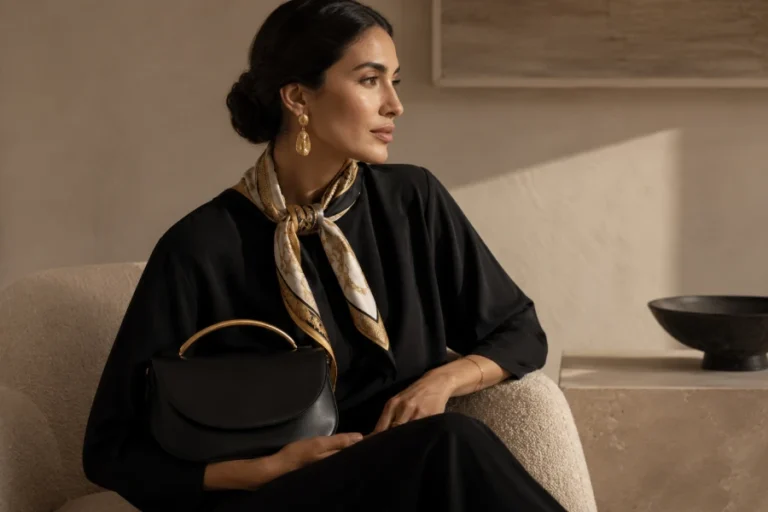
Accessories can refresh a reliable outfit faster than buying an entirely new layer. A pointed boot can make a soft knit dress feel sharper. A wide scarf can soften a tailored coat. Gloves, bags, and hats each affect the final silhouette in small but meaningful ways. Keep the choices connected to the scale of the outfit. A structured bag may balance a relaxed coat. A slim boot can lengthen a fuller trouser. Use one accent color when the look needs more energy. These changes offer variety without creating clutter. The most effective winter accessories do not merely add decoration. They help the entire outfit look more settled and personal.
Once you find a winter combination that works, treat it as a starting point rather than a finished answer. Repeat the same outline with different colors, fabrics, or shoes. A dependable set of seasonal outfit combinations makes that process easy to maintain. You might rotate a cream knit, a charcoal knit, and a deep-green knit with the same tailored trousers. Keep the coat or boot shape that gives the outfit its best line. Repetition helps you identify the details that matter most. It also makes your style more recognizable. When you edit rather than restart every morning, cold-weather dressing becomes calmer, smarter, and far more enjoyable.

Leave a comment