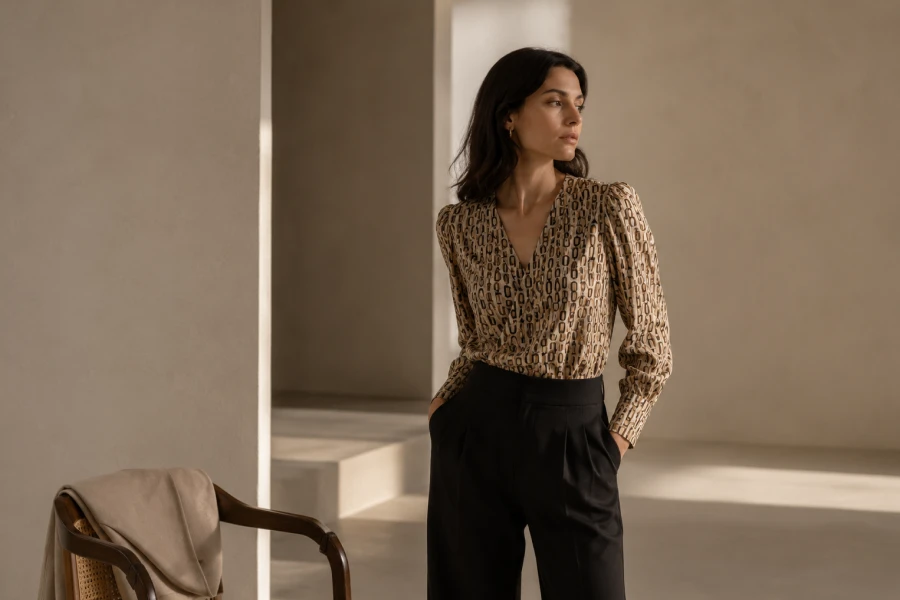
Great prints do more than make an outfit memorable. Flattering clothing patterns create a visual conversation between fabric, shape, and movement. They can make a simple outfit feel considered without feeling overly styled. The most useful choices reflect your own taste first. After that, proportion becomes a helpful editing tool. A pattern may bring focus upward, create length, or add ease around the middle. Those effects work best when they feel natural to you. Instead of chasing a universal formula, look for the prints that strengthen your personal point of view. Style becomes clearer when every detail has a purpose. That clarity is more valuable than following any trend cycle.
Print preference often says more about confidence than body measurements. Some people feel energized by bold graphic contrast. Others prefer quiet motifs with subtle movement. Neither choice needs defending. The aim is to understand which visual effects make you feel present. A large print can feel powerful on one day. On another, a fine pattern may better match your mood. Your closet should leave room for both experiences. When you dress according to energy, the result looks more believable. That honesty gives an outfit its strongest appeal. Personal style grows through attention, not strict self-correction.
A print never exists separately from the material beneath it. Crisp cotton makes checks and stripes feel precise. Fluid satin gives abstract motifs a softer rhythm. Knit fabric can stretch a design into a more relaxed impression. To experiment with confidence, start with pattern mixing ideas that respect both texture and shape. A structured blazer can sharpen a flowing patterned dress. Soft trousers can calm a bold top. Fit should support the mood of the fabric. When those elements agree, the finished outfit feels intentional. You notice the difference before anyone else does.
Contrast creates the strongest first impression in patterned clothing. Dark and light combinations feel graphic and immediate. Neighboring tones create a smoother, more blended effect. Both can work beautifully in the same wardrobe. Consider vertical stripe styling when you want direction without relying on a loud motif. The eye follows the line, then notices the silhouette underneath. A vertical element can also make layered outfits feel more organized. Keep the supporting pieces simpler when the pattern already carries movement. That restraint makes contrast look deliberate. It also gives you more ways to repeat the piece.
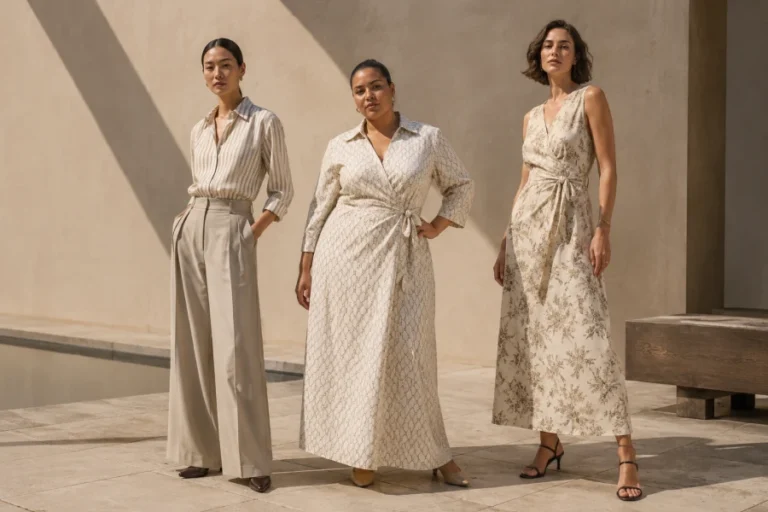
A smaller wardrobe benefits from prints with flexible color stories. Look for motifs that share shades with your jackets, shoes, and knitwear. This makes one patterned piece useful across several outfits. You can also use curve-friendly prints to create variety without buying entirely new silhouettes. The key is not finding a perfect design. It is finding a design you can style in more than one mood. Pair it with denim for ease. Add tailoring when the day needs structure. Repeat it with different proportions as seasons change. Versatility turns a print into a wardrobe investment.
Mirrors can teach you more than style rules ever will. Try on a patterned piece, then step back for a wider view. Notice where your attention lands first. Check whether the clothing supports your posture and movement. For a useful frame of reference, build balanced proportion dressing around the pieces you already wear often. You may discover that a favorite coat changes the way a print reads. You may also find that a certain hemline brings welcome calm. These observations are practical, not superficial. They help you buy less randomly. They also help you dress with more ease every morning.
The best patterned pieces still feel good after a full day. They work while you sit, walk, travel, and meet people. They do not ask you to monitor every angle. That kind of ease lets personality come forward. Choose designs that feel as good in motion as they do in a fitting room. Let your styling evolve with the season and your schedule. A well-loved print can become part of your signature. It can remind you that dressing well does not require overthinking. It simply requires better attention. Once you find that balance, you can repeat it with confidence.

Leave a comment